


Advanced High-Frequency Membrane Welding Machine – Direct Supply from an Factory
2026-07-23 17:08What Is High-Frequency Welding?
High-frequency welding uses electromagnetic energy at frequencies typically around 27.12 MHz to generate heat directly within polar thermoplastic materials. When an alternating electric field is applied between a set of electrodes, the molecules in the material oscillate rapidly, producing internal heat that fuses the layers together under pressure. Because the heat is generated inside the material rather than transferred from an external source, the process is fast, energy-efficient, and ideal for sealing large surface areas without surface degradation.
Key Membrane Materials Processed
The technology is compatible with a wide range of membrane films and coated fabrics, including PVC (polyvinyl chloride), TPU (thermoplastic polyurethane), PEVA, and certain PET and EVA blends. These materials are widely used in:
Tarpaulins and truck covers
Tents, awnings, and tensile membrane structures
Inflatable boats, bounce houses, and air domes
Geomembranes and pond liners
Liquid storage bladders and flexible tanks
Medical and cleanroom barrier films
Material thickness for high-frequency welding typically ranges from 0.2 mm to 3.0 mm, with multi-layer configurations common in heavy-duty applications.
Machine Configurations and Features
Industrial high-frequency welding machines vary from small tabletop units for medical pouches to large gantry-style or bridge-type machines for tarpaulin and architectural membrane welding. Features commonly found in advanced systems include:
Automatic frequency tuning to maintain stable output under changing load conditions
Pneumatic or hydraulic press systems with programmable pressure profiles
Extended-length electrodes and shuttle tables for continuous large-panel welding
PLC and touchscreen controls for recipe storage and precision parameter adjustment
Integrated spark suppression and arc detection for operator and tooling safety
CE-compliant shielding to meet electromagnetic emission standards
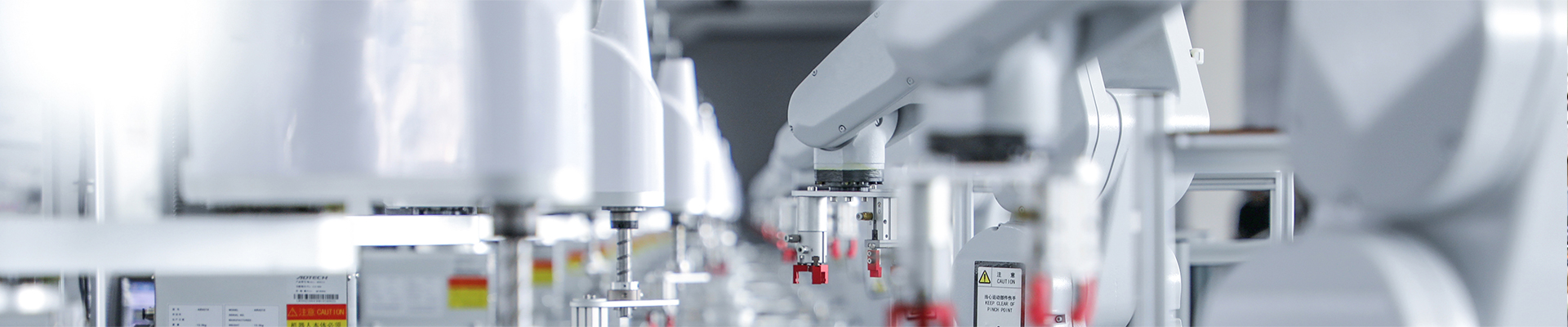
The shift toward automation has also led to the integration of servo-driven material handling and robotic arms for high-volume production lines, particularly in the automotive interior and medical sectors.
Advantages Over Conventional Joining Methods
Compared with hot-air welding, sewing, or adhesive bonding, high-frequency welding offers distinct benefits. The seams are airtight and watertight, essential for outdoor and liquid-containment applications. Cycle times are often under 10 seconds, enabling mass production throughput. The process eliminates consumables such as glue, thread, or solvents, reducing material costs and environmental impact. Additionally, the welded joint retains flexibility and the original surface appearance, making it suitable for visually demanding products.
Market Trends and Application Growth
The global market for high-frequency welded membrane products continues to expand. Rapid growth in the inflatable amusement and sports sector, rising use of flexible storage tanks for water and fuel, and increasing infrastructure investment in tensile architecture all drive demand for reliable welding equipment. The medical industry’s shift toward single-use barrier films and fluid bags further boosts the need for clean and repeatable welding processes.
On the technology front, manufacturers are focusing on energy efficiency, precision control, and user-friendly interfaces. IoT-enabled machines with remote diagnostics and data logging are beginning to appear in smart factory environments, allowing operators to monitor quality metrics in real time and perform predictive maintenance.
Considerations for Equipment Selection
Selecting the right high-frequency welding machine depends on material type, thickness, product size, and production volume. Important factors to evaluate include:
Generator power and frequency stability
Press force and uniformity across the electrode length
Automation level and compatibility with existing production lines
Availability of custom tooling and after-sales technical support
Compliance with regional safety and electrical standards
Investing in a machine that matches the specific membrane welding application ensures higher product quality, lower reject rates, and long-term operational reliability.
Conclusion
As industrial membrane applications become more diverse and performance requirements more stringent, high-frequency welding technology remains at the forefront of fabric joining solutions. With continuous innovation in automation, precision control, and sustainability, the equipment is poised to serve a growing range of industries—from outdoor textiles and construction to healthcare and environmental protection—for years to come.